The February 2026 Solar Eclipse, known as the “Ring of Fire,” will not be visible in India but can be watched via live global streams.
The first Solar Eclipse of 2026 has sparked huge interest across India, with many people searching for “Surya Grahan today timing,” “Is solar eclipse visible in India?” and “Sutak Kaal rules.”
As skywatchers prepare for this rare celestial event, an important question remains: Will the Solar Eclipse 2026 be visible in India today?
Here is everything you need to know about the eclipse timings, visibility, religious significance, safety advice, and live streaming details.
Solar Eclipse 2026: Is It Visible in India Today?
According to astronomical predictions, the Solar Eclipse occurring in February 2026 will not be visible in most parts of India.
This particular eclipse will be visible in select regions of the Southern Hemisphere and certain parts of the Pacific and Antarctica region. Since the eclipse path does not pass over the Indian subcontinent, skywatchers in India will not be able to witness it directly.
Because the eclipse is not visible in India, traditional religious restrictions such as Sutak Kaal are generally not observed in many regions. However, practices may vary based on personal belief and local customs.
Solar Eclipse 2026 Date and Global Timings
The Solar Eclipse will take place in February 2026. The exact start and end times depend on global time zones.
Globally, the eclipse will begin during the early hours of the day in Universal Time and will continue for several hours as the Moon passes between the Earth and the Sun.
For Indian viewers, the event will occur during daytime hours but will not be observable in the sky due to its geographic path.
People are advised to follow official astronomical agencies for real-time global timing updates.
What Type of Solar Eclipse Is It?
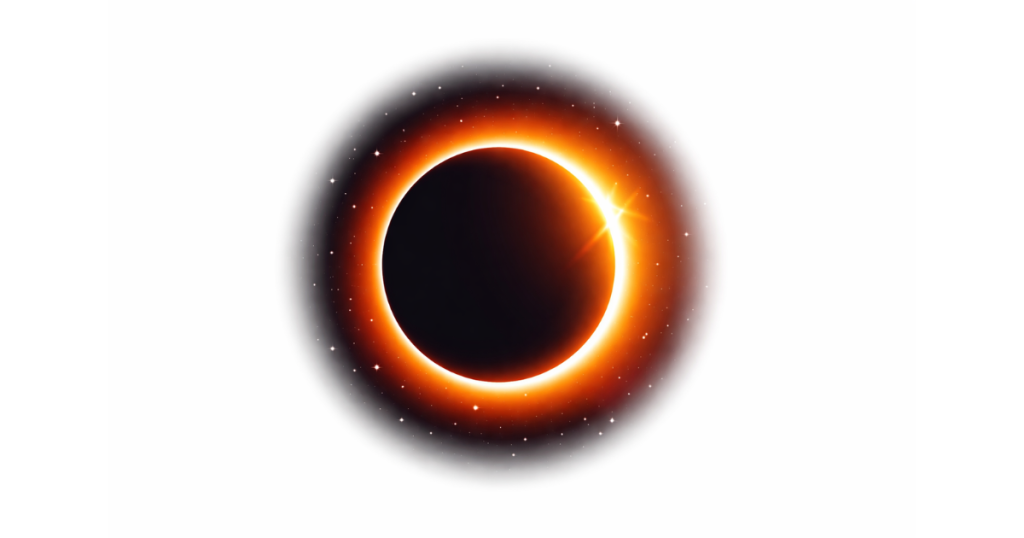
The February 2026 event is classified as an annular solar eclipse in some regions.
In an annular eclipse, the Moon does not completely cover the Sun. Instead, it creates a bright “Ring of Fire” effect around the Moon’s silhouette. This happens because the Moon is slightly farther from Earth and appears smaller than the Sun in the sky.
However, since the annular path does not cross India, the dramatic Ring of Fire effect will not be seen from Indian cities.
Understanding Surya Grahan and Sutak Kaal
In Hindu tradition, Surya Grahan holds spiritual importance. Many people follow specific rituals during an eclipse.
Sutak Kaal refers to the period considered inauspicious before the eclipse begins. Traditionally, Sutak starts approximately 12 hours before a solar eclipse and ends after the eclipse concludes.
During Sutak Kaal, many people avoid cooking, eating, or starting new activities. Temples may also close during this period.
However, religious scholars often clarify that Sutak Kaal is observed only when the eclipse is visible in that region. Since the February 2026 eclipse is not visible in India, many temples and households may not observe Sutak restrictions.
Devotees are advised to check with local temples or priests for specific guidance.
Why Solar Eclipses Do Not Appear Everywhere
A solar eclipse occurs when the Moon moves between the Earth and the Sun, blocking sunlight either partially or fully.
However, the Moon’s shadow falls only on a narrow path across Earth’s surface. Regions outside this path do not see the eclipse.
That is why some countries experience a total or annular eclipse, while others see nothing at all.
The visibility depends on the alignment of the Sun, Moon, and Earth at that specific time.
Where to Watch Solar Eclipse 2026 Live Online
Even though the eclipse is not visible in India, people can still watch it live through online streams.
Major space agencies and observatories often provide live coverage of significant solar eclipses. These streams usually show telescope views from locations within the eclipse path.
Indian viewers can watch live coverage on official astronomy channels and science platforms that broadcast the event in real time.
Watching online is completely safe and allows viewers to see the annular phase clearly without risking eye damage.
Safety Advisory: Never View a Solar Eclipse With Naked Eyes
Even though this eclipse is not visible in India, it is important to remember basic solar safety rules.
Looking directly at the Sun without certified solar filters can cause permanent eye damage.
If you are watching live from another country or planning to travel for a future eclipse, always use ISO-certified solar viewing glasses or proper telescope filters.
Regular sunglasses are not safe for viewing an eclipse.
When Is the Next Solar Eclipse Visible in India?
Skywatchers in India may have to wait for future eclipses to witness the event directly.
India has witnessed partial and total solar eclipses in past years, and more are expected in the coming decade depending on the eclipse cycle.
Astronomers encourage enthusiasts to follow official eclipse calendars to track future visibility in India.
Scientific Importance of Solar Eclipses
Solar eclipses are not just religious events. They are important for scientific research.
Scientists use eclipses to study the Sun’s corona, solar flares, and magnetic activity. The temporary dimming of sunlight also helps researchers examine atmospheric changes.
In earlier eclipses, scientists have gathered valuable data about solar winds and space weather.
Such research helps improve satellite safety and communication systems worldwide.
Why Solar Eclipse Searches Are Trending in India
Search terms like “Surya Grahan today,” “Solar Eclipse 2026 timing in India,” and “Is eclipse visible in India?” are trending due to high public curiosity.
Many people associate eclipses with religious beliefs, while others are interested in astronomy.
Social media platforms also play a role in boosting interest whenever a major celestial event takes place.
Even if the eclipse is not visible locally, people remain eager to follow live coverage and updates.
Key Takeaway for Indian Readers
The February 2026 Solar Eclipse is a significant global event. However, it is not visible in India.
As a result, Sutak Kaal may not be observed in many regions. Devotees should follow local customs if they wish.
Those interested in watching the eclipse can do so safely through official live streams online.
For now, Indian skywatchers will have to wait for the next visible Surya Grahan to experience the spectacle in person.
Stay tuned for verified updates from scientific authorities and trusted news sources for future celestial events.
Disclaimer: The information presented in this article is intended for general informational purposes only. While every effort is made to ensure accuracy, completeness, and timeliness, data such as prices, market figures, government notifications, weather updates, holiday announcements, and public advisories are subject to change and may vary based on location and official revisions. Readers are strongly encouraged to verify details from relevant official sources before making financial, investment, career, travel, or personal decisions. This publication does not provide financial, investment, legal, or professional advice and shall not be held liable for any losses, damages, or actions taken in reliance on the information provided.
Last Updated on: Tuesday, February 17, 2026 11:04 am by Economic Edge Team | Published by: Economic Edge Team on Tuesday, February 17, 2026 11:04 am | News Categories: India
About The Author