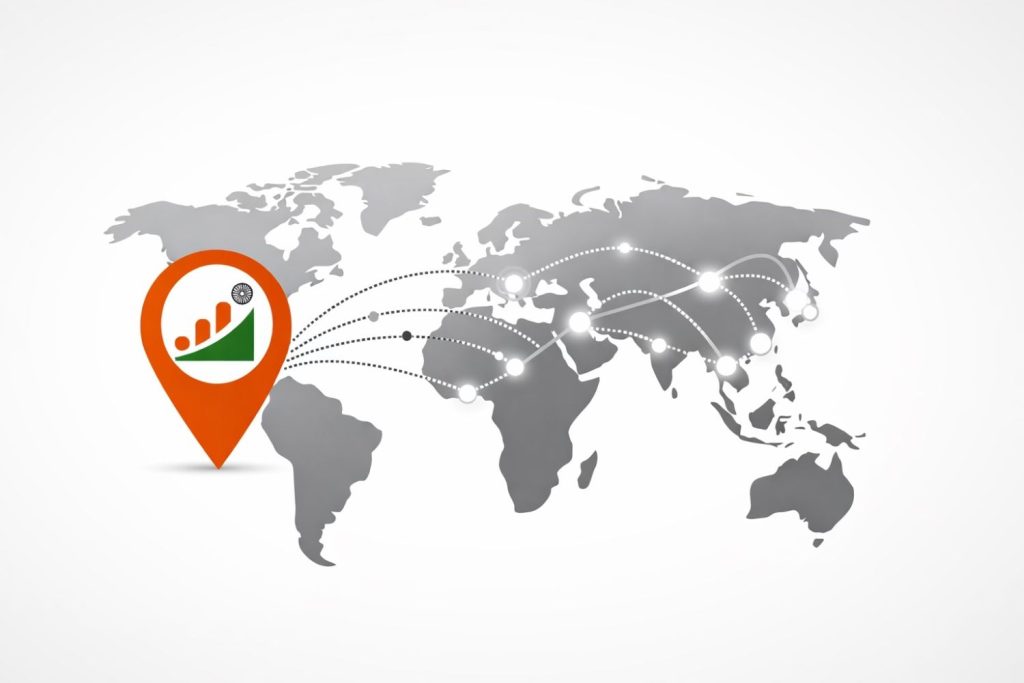
Indian brands are using data-driven digital strategies to expand into global markets with support from international media partners like MiQ.
India’s growth story is no longer limited to its domestic market. From consumer goods to technology services, Indian brands are actively looking beyond national borders. As competition increases and digital access expands worldwide, many companies are exploring overseas markets to build new revenue streams.
In this changing landscape, global programmatic media company MiQ is playing a visible role by supporting Indian brands in their international expansion efforts through data-driven advertising and market intelligence.
The trend reflects a larger shift. Indian businesses are no longer satisfied with local dominance. They want global visibility. And digital platforms are becoming the main gateway for that ambition.
Why Indian Brands Are Expanding Overseas Now
Several factors are pushing Indian companies to think globally in 2026.
First, India’s digital economy has matured. Many brands have built strong foundations in e-commerce, digital payments, logistics, and customer engagement. This experience gives them confidence to test global markets.
Second, cross-border trade has become easier. Digital marketplaces, global supply chains, and improved payment systems allow companies to reach customers abroad without heavy physical investments.
Third, global demand for Indian products is rising. Categories such as fashion, beauty, wellness, fintech, edtech, and D2C consumer brands are finding interest in regions like Southeast Asia, the Middle East, Europe, and North America.
However, entering a foreign market is not simple. Every country has different consumer behaviour, media consumption habits, and regulatory systems. This is where advanced advertising and data intelligence firms step in.
MiQ’s Role in Global Digital Advertising
MiQ is a global programmatic advertising company that works with brands and agencies to deliver targeted digital campaigns. The company operates in multiple international markets and focuses on data-driven media strategies.
For Indian brands planning overseas growth, the key challenge is understanding foreign audiences. Advertising is not just about spending money. It is about reaching the right consumer at the right time.
MiQ supports brands by using audience data, programmatic platforms, and analytics to design campaigns tailored to specific markets. This includes:
- Identifying high-intent customer segments
- Understanding local digital consumption patterns
- Optimising ad placements across devices
- Tracking performance in real time
Programmatic advertising allows automated buying of digital ad inventory based on data insights. For Indian firms entering new regions, this approach reduces guesswork and improves efficiency.
Data-Driven Expansion: A Strategic Advantage
International expansion often fails due to a lack of local insight. A product that works in Mumbai may not immediately succeed in Dubai or London.
Through advanced analytics, companies like MiQ help brands test markets digitally before making large investments. Brands can run pilot campaigns, study consumer engagement, and refine their messaging.
This reduces risk.
Instead of opening physical offices or retail stores immediately, businesses can evaluate digital response first. If performance indicators show strong traction, brands can scale operations further.
In competitive global markets, this measured approach can save both time and capital.
Why Programmatic Advertising Matters in 2026
Digital advertising has evolved significantly over the past decade. Traditional display ads are no longer enough. Consumers expect personalised experiences.
Programmatic platforms analyse behaviour patterns such as browsing activity, content preferences, and device usage. This allows campaigns to become more precise.
For Indian brands entering mature markets like the United States or the United Kingdom, precision matters. Advertising costs are higher in these regions. Inefficient campaigns can quickly drain budgets.
By using automated systems and data analytics, advertisers aim to improve return on investment while keeping acquisition costs under control.
This technology-driven strategy aligns well with India’s digital-first entrepreneurs, who are already comfortable using analytics for growth decisions.
Global Markets: Where Indian Brands Are Looking
Indian companies are targeting several overseas regions:
Middle East
The Middle East remains a strong focus due to cultural familiarity and a large Indian diaspora. Many Indian food, retail, and service brands test their first international campaigns here.
Southeast Asia
Countries such as Singapore and Indonesia offer digital-friendly environments. Consumer adoption of mobile commerce is high, making programmatic strategies effective.
Europe and North America
These regions offer scale but require deeper localisation. Messaging, pricing strategies, and regulatory compliance need careful adaptation.
In such markets, digital audience mapping and behavioural targeting become critical.
The Growing Importance of Brand Perception Abroad
When brands move overseas, they compete not just on price but also on perception.
Indian brands are increasingly positioning themselves as:
- Innovation-driven
- Technology-led
- Sustainable and quality-focused
Digital storytelling plays a big role in shaping that perception. Global audiences may not be familiar with Indian companies. Advertising campaigns must introduce the brand story clearly and credibly.
Data-backed targeting ensures that storytelling reaches relevant consumers rather than broad, untargeted audiences.
Challenges Indian Brands Still Face
Despite digital support, global expansion remains complex.
Some common challenges include:
- Cultural differences in communication
- Compliance with foreign advertising regulations
- Data privacy laws
- Currency fluctuations
- Competitive global players with established loyalty
Digital intelligence helps, but it cannot replace strong product-market fit. Brands must still adapt products and services to suit local expectations.
India’s Global Brand Moment
India’s startup ecosystem has grown rapidly over the last decade. Many companies have already built technology infrastructure comparable to global peers.
With improved digital literacy and strong domestic growth, businesses are now looking outward.
Government policies encouraging exports and cross-border trade have also supported this mindset shift. While global economic conditions remain uncertain, digital-led international expansion offers flexibility.
Instead of heavy upfront investment, brands can scale based on performance metrics.
This approach reflects a broader transformation in how Indian companies think about growth.
How MiQ’s Global Footprint Supports Indian Firms
One advantage for Indian brands working with international media partners is access to global networks.
Companies like MiQ operate across multiple countries, giving Indian firms:
- Access to international advertising inventory
- Insights from diverse markets
- Cross-market campaign coordination
- Centralised performance tracking
This reduces fragmentation. Rather than working with separate agencies in each country, brands can manage campaigns more efficiently.
In an era where digital competition is intense, coordinated global strategy matters.
What This Means for Investors and Entrepreneurs
The push for overseas growth signals confidence in Indian brands.
For investors, it indicates:
- Revenue diversification
- Reduced dependence on the domestic market
- Long-term scalability
For entrepreneurs, it sends a clear message: global expansion is no longer limited to large corporations. With digital advertising and data analytics, even mid-sized brands can test international waters.
However, expansion must remain disciplined. Success depends on research, localisation, and consistent brand positioning.
The Road Ahead
As 2026 progresses, the international ambitions of Indian companies are expected to continue. Digital-first strategies will remain central to this journey.
Programmatic advertising, audience intelligence, and cross-border digital campaigns are becoming standard tools rather than optional extras.
The collaboration between Indian brands and global digital media firms like MiQ reflects a broader trend: India is not just consuming global brands anymore. It is building them.
For Indian readers and businesses, this marks an important shift. Domestic success is now the starting point, not the destination.
The coming years will show which companies convert digital reach into lasting international presence. What is clear today is that technology-driven marketing is shaping how Indian brands introduce themselves to the world.
As global competition intensifies, those who combine strong products with smart digital expansion strategies will likely lead the next phase of India’s outward growth story.
Disclaimer: The information presented in this article is intended for general informational purposes only. While every effort is made to ensure accuracy, completeness, and timeliness, data such as prices, market figures, government notifications, weather updates, holiday announcements, and public advisories are subject to change and may vary based on location and official revisions. Readers are strongly encouraged to verify details from relevant official sources before making financial, investment, career, travel, or personal decisions. This publication does not provide financial, investment, legal, or professional advice and shall not be held liable for any losses, damages, or actions taken in reliance on the information provided.
edited by D Rishidhar Reddy
Last Updated on: Saturday, February 28, 2026 11:16 am by Economic Edge Team | Published by: Economic Edge Team on Saturday, February 28, 2026 11:16 am | News Categories: Business
About The Author