
India’s branded residences market is undergoing a significant transformation. Once associated predominantly with luxury addresses in Mumbai, Delhi and Bengaluru, internationally branded homes are increasingly finding relevance in emerging residential destinations. This shift reflects a fundamental change in Indian homebuyers’ aspirations: premium living is no longer defined exclusively by location or price, but by design, lifestyle, experience and the quality of the residential environment.
The global numbers demonstrate the scale of this transformation. According to Knight Frank’s Global Branded Residence Survey 2026, the sector has nearly tripled over the past decade, growing from 354 developments in 2015 to 903 by the end of 2025. It is expected to cross 1,000 developments in 2026 and reach approximately 1,800 schemes by 2031. Significantly, non-hospitality brands, including fashion, automotive and lifestyle companies, are becoming increasingly prominent in this evolving market.
India’s Branded Housing Market Is Expanding
India is witnessing a similar transition. According to a 2026 NOESIS report, branded residential supply increased more than threefold in 2025, from 1,015 to 3,181 units. The report estimates that branded residences command an average premium of approximately 32% over comparable non-branded developments, with Pune recording a premium of 44%.
Interestingly, non-hospitality brands account for approximately 73% of India’s branded residential units, reflecting the growing influence of fashion, design and lifestyle associations.
The next growth opportunity is also shifting geographically. NOESIS projects that non-metro markets could account for 45% of the next wave of branded residential projects, compared with approximately 8% currently.
These trends suggest that branded living is evolving beyond an exclusive luxury proposition into a differentiated residential category with wider geographical relevance.
Why Emerging Residential Markets Are Ready
Three structural changes are driving this transition.
First, India’s affluent and aspirational homebuyer base is expanding beyond traditional metropolitan luxury neighbourhoods. Entrepreneurs, professionals and business owners increasingly seek residences that reflect their lifestyles without necessarily relocating to established premium addresses.
Second, infrastructure and employment growth are creating self-sustaining urban centres. Better connectivity, commercial developments, educational institutions, healthcare and retail destinations are strengthening the appeal of emerging residential markets.
Third, buyers increasingly evaluate homes through the experience they offer. Architecture, wellness facilities, landscaped spaces, clubhouses, privacy and community engagement have become important considerations alongside location and configuration.
Pune illustrates this changing demand. According to ANAROCK’s 2025 residential market analysis, homes priced between ₹80 lakh and ₹1.5 crore accounted for 39% of new launches, compared with 31% in 2024. The ₹1.5–2.5 crore segment doubled its share from 5% to 10%, signalling a clear movement towards higher-value residential offerings.
PCMC’s Transition from Value to Aspiration
Pimpri-Chinchwad represents an important example of this evolution.
Over two decades, PCMC has progressed from an industrial and value-housing destination into an increasingly integrated urban economy. Locations such as Wakad, Tathawade, Punawale, Ravet, Moshi and Chikhali are benefiting from employment opportunities, improving connectivity and expanding social infrastructure.
At Aishwaryam Group, we recognised that this changing urban landscape would eventually reshape residential aspirations. Our association with international fashion and lifestyle brand FashionTV, through developments including F Premium and F Signature, emerged from the belief that PCMC homebuyers should have access to differentiated, design-led residential experiences.
With over 750 units sold across our FashionTV-associated portfolio, we have seen encouraging acceptance of this proposition.
For us, branded residences are not simply about attaching an international name to a project. The association must translate into a meaningful residential proposition through design, amenities, planning and lifestyle differentiation.
The Next Phase: Substance Beyond the Brand
As branded residences expand into emerging markets, developers must recognise that a brand association alone cannot justify a premium.
Buyers will increasingly distinguish between genuine lifestyle differentiation and superficial branding. Project execution, construction quality, long-term maintenance, customer experience and the credibility of the developer will determine lasting value.
The opportunity is therefore not merely to introduce international brands into new locations, but to raise the overall standard of residential development.
The next decade of branded residences in India will be shaped as much by emerging urban destinations as by traditional luxury markets. PCMC demonstrates why: as infrastructure, employment and aspirations evolve together, premium living is becoming a lifestyle choice rather than a privilege defined by a postal address.
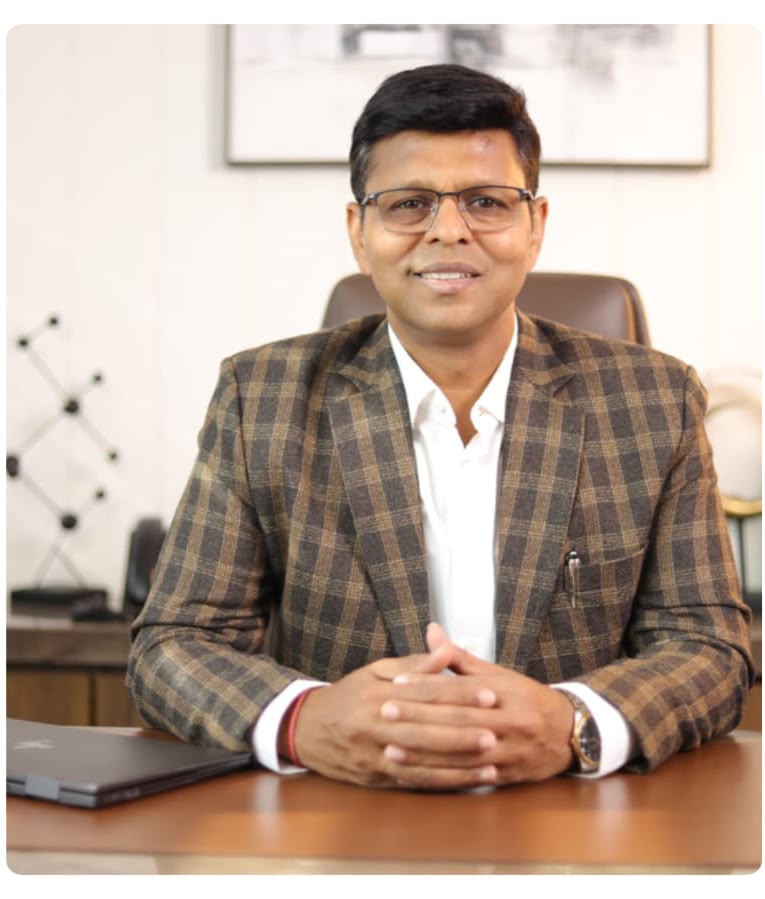
Contributed by Narendra Agarwal, Director, Aishwaryam Group
About The Author