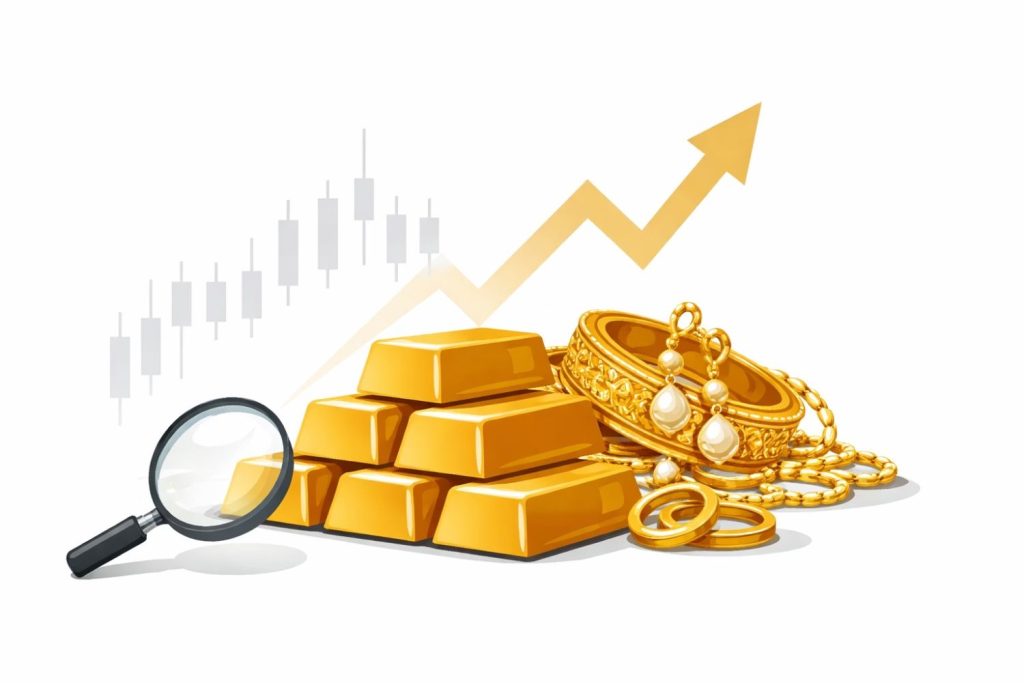
Gold prices in India on March 5, 2026 remain around ₹72,900–₹73,200 for 24K and ₹66,800–₹67,100 for 22K across Delhi, Mumbai, Chennai, and Hyderabad.
Gold prices in India remain an important indicator for investors, jewellery buyers, and households across the country. On March 5, 2026, gold rates showed small fluctuations in major cities as global bullion prices and currency movements influenced the domestic market.
In India, gold is more than just a precious metal. It is deeply connected to cultural traditions, weddings, and festivals. Because of this strong demand, daily price movements are closely followed by consumers who plan jewellery purchases as well as investors who see gold as a safe investment.
Today’s gold price reflects several factors including global market trends, the strength of the Indian rupee, import duties, and demand from the jewellery sector.
Below is a detailed look at the latest 22-karat and 24-karat gold prices in Delhi, Mumbai, Chennai, and Hyderabad, along with the factors affecting the current trend.
Gold Price Today in India
As of March 5, 2026, gold prices in India remain stable with small variations across cities due to transportation costs, state taxes, and local demand.
The approximate market rates in major cities today are:
24K Gold (10 grams): around ₹72,900 – ₹73,200
22K Gold (10 grams): around ₹66,800 – ₹67,100
These prices can vary slightly depending on the jeweller, location, and additional charges applied to jewellery purchases.
Gold rates are typically updated multiple times a day by bullion associations and jewellery markets across India.
Gold Price Today in Delhi
Delhi is one of the largest gold trading centres in North India. Prices in the national capital usually reflect broader national market trends.
On March 5, 2026, the approximate retail gold rates in Delhi are:
24K gold price: about ₹73,200 per 10 grams
22K gold price: about ₹67,100 per 10 grams
Demand in Delhi often rises during wedding seasons and major festivals such as Diwali and Akshaya Tritiya. During these periods, higher demand can slightly influence local market prices.
Jewellery markets such as Karol Bagh and Chandni Chowk continue to see steady customer interest, particularly for lightweight jewellery designs.
Gold Price Today in Mumbai
Mumbai is one of India’s most important bullion trading hubs. Because many bullion dealers operate in the city, price movements here closely follow international gold markets.
The approximate gold prices in Mumbai today are:
24K gold: around ₹72,900 per 10 grams
22K gold: around ₹66,800 per 10 grams
Retail demand in the city remains steady, with many consumers choosing gold coins and small bars for investment purposes.
Gold Price Today in Chennai
Chennai has one of the most active gold markets in India. The city is well known for strong jewellery demand, especially during weddings and cultural celebrations.
On March 5, 2026, the approximate gold rates in Chennai are:
24K gold: about ₹73,100 per 10 grams
22K gold: about ₹67,000 per 10 grams
Tamil Nadu has one of the highest gold consumption levels in India. As a result, local prices often react quickly to changes in demand.
Major jewellery areas such as T. Nagar remain busy with customers purchasing ornaments and investment gold.
Gold Price Today in Hyderabad
Hyderabad is another important jewellery market in South India. The city sees strong consumer demand, particularly during festivals and wedding seasons.
Today’s approximate gold prices in Hyderabad are:
24K gold: about ₹73,050 per 10 grams
22K gold: about ₹66,950 per 10 grams
Jewellers in Hyderabad report stable demand for both traditional jewellery and modern lightweight collections.
Because of the city’s large jewellery industry, daily gold price updates are closely tracked by traders and buyers.
Why Gold Prices Change Every Day
Gold prices in India change frequently due to several key factors.
One of the most important influences is the international gold market. Since India imports a large share of its gold, global price changes directly affect domestic rates.
Currency movement also plays a major role. When the Indian rupee weakens against the US dollar, the cost of gold imports increases, which can push prices higher in India.
Government policies such as import duty and taxation also affect domestic prices.
Local demand is another important factor. During festivals and wedding seasons, increased jewellery purchases can sometimes lead to price adjustments in local markets.
Difference Between 22K and 24K Gold
Understanding the difference between 22-karat and 24-karat gold helps buyers make better decisions.
24K gold is considered the purest form, containing about 99.9 percent gold. Because it is very soft, it is mainly used for coins, bars, and investment products.
22K gold contains around 91.6 percent gold. Small amounts of other metals are mixed with it to make it stronger, which is why it is commonly used for jewellery.
Most ornaments sold in India are made from 22K gold, while investors often choose 24K gold coins or bars.
Gold Demand in India Remains Strong
India continues to be one of the largest gold consumers in the world. The metal plays a significant role in cultural traditions, weddings, and religious celebrations.
Even when prices rise, demand usually remains steady because many households consider gold a long-term store of value.
Jewellers across the country report that some customers are choosing smaller or lighter jewellery pieces when prices increase.
At the same time, younger investors are showing growing interest in digital gold and gold-based financial products.
How to Check Accurate Gold Prices
The prices shown online or in news updates are usually indicative market rates.
The final price paid by consumers can include additional charges such as:
Making charges
Goods and Services Tax (GST)
Design costs
Jeweller margins
Because of these factors, the total purchase price for jewellery may be higher than the daily gold rate.
Experts also advise buyers to always check hallmark certification, which guarantees the purity of the gold.
Gold Outlook for the Coming Weeks
Market experts believe gold prices may continue to respond to global economic developments.
Inflation trends, interest rate decisions by major central banks, and geopolitical events can all influence investor demand for gold.
During periods of global uncertainty, investors often move toward safe-haven assets such as gold, which can push prices higher.
However, strong economic growth and rising interest rates sometimes reduce demand for precious metals.
For Indian buyers, movements in the rupee and import costs will also play an important role in determining domestic gold prices.
Conclusion
Gold remains one of the most trusted assets for Indian households. On March 5, 2026, prices for 24K gold are trading around ₹72,900 to ₹73,200 per 10 grams, while 22K gold is priced near ₹66,800 to ₹67,100 in major cities including Delhi, Mumbai, Chennai, and Hyderabad.
Although daily changes are usually small, gold prices continue to respond to global markets, currency movements, and domestic demand.
For buyers planning jewellery purchases or investment, keeping track of daily gold rate updates can help in making informed financial decisions.
Disclaimer: The information presented in this article is intended for general informational purposes only. While every effort is made to ensure accuracy, completeness, and timeliness, data such as prices, market figures, government notifications, weather updates, holiday announcements, and public advisories are subject to change and may vary based on location and official revisions. Readers are strongly encouraged to verify details from relevant official sources before making financial, investment, career, travel, or personal decisions. This publication does not provide financial, investment, legal, or professional advice and shall not be held liable for any losses, damages, or actions taken in reliance on the information provided.
Financial Disclaimer: Markets and investment-related products are subject to risks and fluctuations. Readers should conduct their own research and consider consulting a qualified financial advisor before making any investment decisions.
edited by D Rishidhar
Last Updated on: Thursday, March 5, 2026 7:17 pm by Economic Edge Team | Published by: Economic Edge Team on Thursday, March 5, 2026 7:17 pm | News Categories: Business
About The Author