India’s content landscape is undergoing a fundamental shift. The question is no longer simply where a show will be broadcast or which digital platform will carry it, but whether the content being created has the strength to exist beyond a single screen. As audiences move between television, OTT, YouTube, gaming and short-form platforms, the opportunity for Indian creators lies in building original intellectual property that can evolve across formats and markets.
For years, India has established itself as a strong production and execution hub for global studios. The next opportunity is to move further up the value chain by creating characters, stories and worlds that originate in India and can travel globally. The global exposure has also shaped Kayhan’s focus on developing original Indian IP rather than remaining limited to an execution-led model.
However, creating IP at scale requires more than a good idea. It requires a production model that can balance creativity, talent and economics. Traditional production models can involve large teams, long timelines and significant costs. A more agile approach can bring together experienced professionals, young talent and emerging technologies without compromising creative direction. At Kayhan, a model comprising approximately 70% freshers and 30% senior professionals has helped bring different strengths into the same production environment.
The distinction between producing content and building IP is becoming increasingly important. An IP is not defined only by its visual style. It begins with an original character, a compelling world and a story that audiences can connect with. The example of Venomillustrates how a character can develop an identity beyond its visual appearance through its personality, world and narrative. For Indian studios, the larger opportunity is to build characters and worlds that can develop an identity of their own, rather than creating content designed only for a single release.
Technology is changing how that opportunity can be pursued. AI makes visual production faster and more accessible. Technology can accelerate production, but it cannot replace the original creative thought that gives an IP its identity. Kayhan’s work on Shivlok Ke Kundakka Mandukka demonstrates how traditional and AI-assisted workflows can be combined. By bringing traditional production, AI and a hybrid workflow.
At the same time, the audience itself is changing. Younger viewers are not restricted to one medium. A character can be discovered through YouTube, explored through OTT, amplified through short-form content and eventually extended into gaming or other experiences. Gen Z is also becoming part of the creative ecosystem.
This flexibility also creates opportunities for Indian stories to travel across languages and geographies. Regional storytelling can be developed through contemporary formats, including anime-inspired content in Hindi, Tamil, Telugu and Malayalam. Stories rooted in Indian mythology and culture can similarly be explored through modern entertainment formats. The goal is not to remove the cultural identity of a story, but to combine that authenticity with strong characters, universal emotions and compelling world-building that audiences outside India can understand and engage with.
Building a portfolio of IPs can further strengthen this opportunity. Kayhan’s slate, including Chote Tara Ka Bada Gadar, FAB 5, Smart KidZ and Shivlok Ke Kundakka Mandukka, reflects an approach that looks beyond individual shows towards multiple properties with the potential to develop across audiences and formats. Successful IP can eventually extend into areas such as gaming, licensing, consumer products, education and immersive experiences. That requires thinking beyond the first release and building stories with the depth to grow, adapt and remain meaningful over time.
Ultimately, India’s next content opportunity is not only about producing more shows or adopting new technology. It is about developing creators who can combine storytelling with technology, building original characters and worlds, and creating properties that can move across broadcast, digital and global markets. India already has the production capabilities and talent to participate in the global entertainment ecosystem. The next step is to increasingly own the stories, characters and IP being created here.The journey from broadcast to digital is therefore not simply about moving content from one screen to another. It is about creating Indian IP with enough creative strength and flexibility to live beyond any single platform.
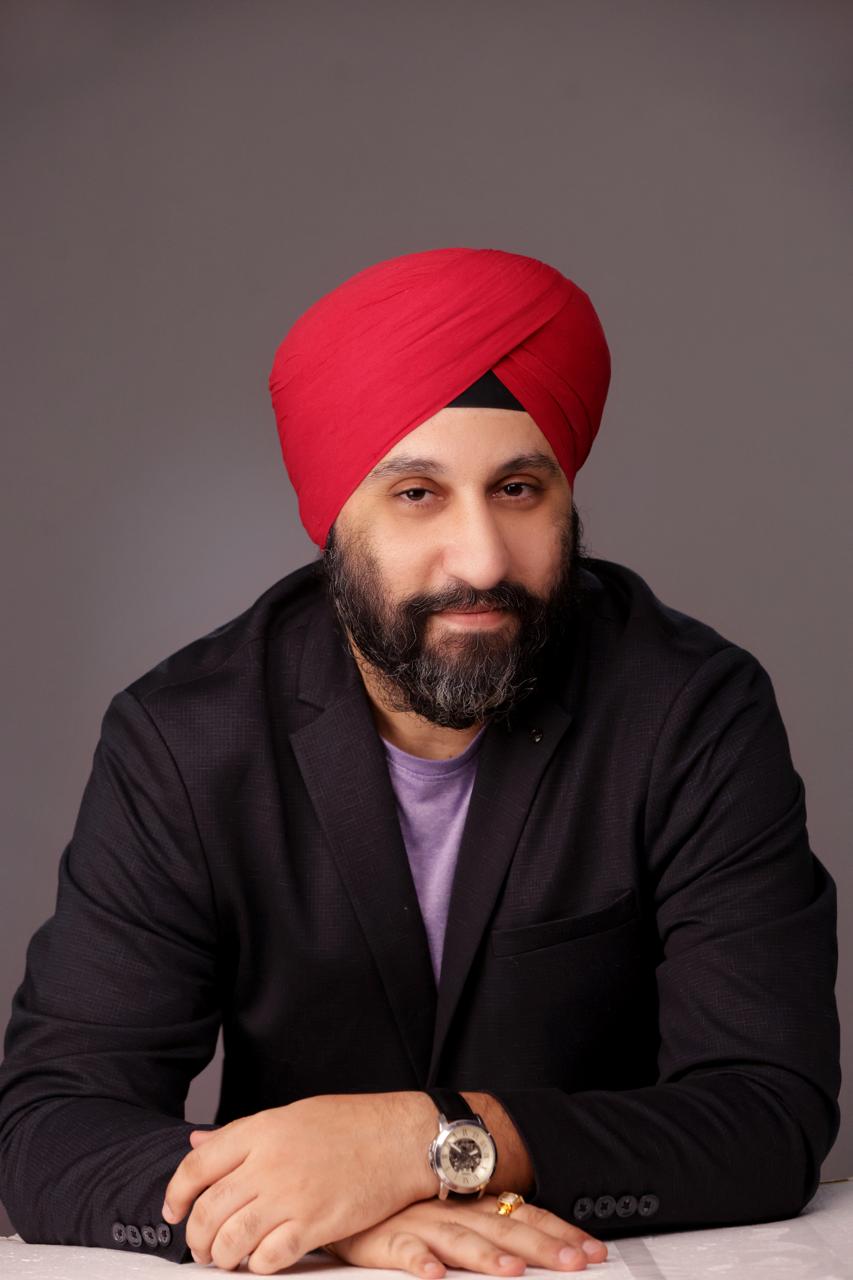
(contributed by Dalbir Singh, Co-Founder & Director, Kayhan Entertainment)
About The Author